

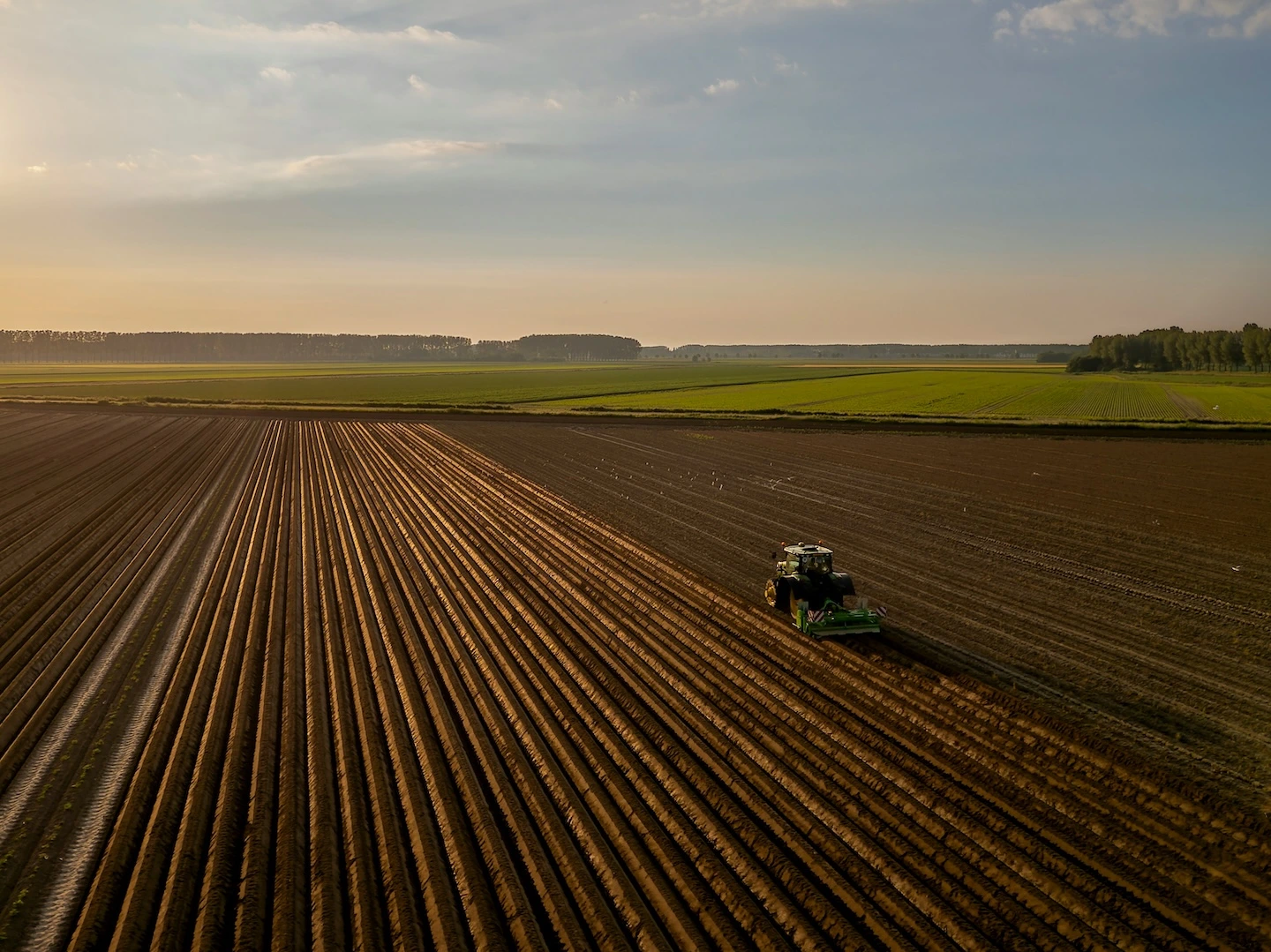
Personalized Fertilizer Solutions for Your Soil
Understanding Fertilizer Customization
Agriculture is shifting towards using localized fertilizer blends that are specifically designed to meet the needs of regional soils and crops. These blends surpass the effectiveness of traditional fertilizers that often fail to address the unique conditions of various farming areas. With the help of advanced soil mapping technologies, farmers can now accurately identify the nutrient needs of their land, enabling more efficient fertilizer application. This approach not only boosts crop yields but also supports sustainability by cutting down on fertilizer waste. Research indicates that precision nutrient management can reduce fertilizer use by as much as thirty percent. This is especially important as the market for specialty fertilizers is expected to grow, offering solutions that improve productivity while minimizing environmental impact. This marks a significant shift in modern agricultural practices.
Precision Agriculture Technologies
Technologies in precision agriculture are transforming how farmers manage their fields by developing localized fertilizer blends suited to specific regional soil and crop needs. Soil mapping technology is at the heart of this change, providing detailed insights into soil composition and nutrient levels across different fields. Using sensors and GPS technology, farmers create soil maps that reveal variations in soil properties like pH, organic matter, and nutrient content. This information helps farmers understand the unique requirements of each part of their land, allowing for more precise nutrient applications. Tools such as variable rate technology (VRT) are crucial in addressing these needs. VRT enables farmers to apply fertilizers at varying rates across a field, based on the requirements indicated by soil maps. For example, some areas may need more potassium, while others require additional nitrogen. By adjusting application rates accordingly, VRT ensures optimal nutrient delivery, enhancing growth and minimizing excess fertilizer use. Reducing fertilizer waste also has significant benefits. Studies show that precision nutrient strategies can reduce waste by up to 30%, leading to cost savings for farmers and less environmental impact. Excess fertilizers can runoff into waterways, polluting and harming aquatic ecosystems. By reducing waste, precision agriculture not only improves economic efficiency but also supports environmental sustainability. Moreover, these technologies positively affect crop yields by providing crops with the exact nutrients they need, leading to higher productivity and healthier crops. This targeted nutrient management approach fosters sustainable farming, ultimately contributing to a more resilient agricultural system that meets global food demands while preserving natural resources.
Regional Soil and Crop Analysis
Understanding the characteristics of regional soils is essential for creating effective localized fertilizer blends. Different regions have varying soil types, pH levels, and nutrient profiles, all of which influence crop growth. For example, sandy soils in coastal areas often need more frequent nutrient applications due to low nutrient retention, while clay-rich soils in the Midwest might require amendments to improve drainage and aeration. Analyzing these characteristics allows for precise nutrient management, ensuring crops receive the right nutrients at the right time, optimizing growth and yield. Various methods are used to analyze soil and crop needs. Soil sampling and testing provide detailed insights into nutrient levels, pH, and organic matter. Advanced technologies like GPS-based soil mapping and remote sensing enhance the accuracy of these analyses. These tools enable farmers to create detailed soil maps that highlight nutrient deficiencies and variations within fields, allowing for targeted fertilizer application. Customized crop fertilizers address specific soil deficiencies identified through analysis. By tailoring fertilizer blends to the unique needs of a region, farmers can enhance crop health and productivity. For instance, in regions where soils lack micronutrients like zinc or boron, customized fertilizers can be enriched with these essential elements to improve crop yield and quality. Case studies highlight the success of regional applications. In California, almond growers have significantly increased yields by using fertilizers tailored to their orchards' specific nutrient needs, reducing waste and enhancing sustainability. Similarly, rice farmers in Southeast Asia have adopted localized fertilizer blends to tackle soil-specific challenges, boosting production and reducing environmental impact. Overall, understanding regional soil and crop needs, combined with customized fertilizers, is transforming agricultural practices, leading to more efficient and sustainable food production systems.
Economic and Environmental Benefits
Adopting localized fertilizer blends tailored to regional soil and crop needs offers considerable economic and environmental advantages. One significant economic benefit is the cost savings achieved through reduced fertilizer usage. By precisely targeting the nutrient requirements of specific crops and soil types, farmers can minimize waste, leading to lower input costs. Studies indicate that precision nutrient strategies can decrease fertilizer waste by up to 30%, translating to substantial savings for farmers and improving their profitability. Beyond cost savings, localized fertilizer blends enhance crop productivity and quality. Tailored nutrient solutions ensure crops receive the right balance of nutrients at the right time, promoting optimal growth and development. This targeted approach not only boosts yields but also enhances the nutritional quality of produce, meeting the growing consumer demand for high-quality food products. Research shows that crops grown with site-specific nutrient management exhibit improved resistance to pests and diseases, further supporting agricultural productivity. Environmentally, using localized fertilizer blends reduces the risk of nutrient runoff and pollution. Traditional fertilizer applications often result in excess nutrients leaching into waterways, causing eutrophication and harming aquatic ecosystems. By applying fertilizers precisely where needed, the risk of runoff is minimized, contributing to healthier soil and water systems. This sustainable practice supports biodiversity and aligns with global efforts to combat environmental degradation. Market trends emphasize the shift towards specialty fertilizers. As the global fertilizers market evolves, there is an increasing preference for customized nutrient solutions that cater to specific regional needs. This trend is driven by the demand for sustainable agricultural practices and the recognition of the economic and environmental benefits that localized fertilizer blends offer. Consequently, the market for specialty fertilizers is expected to grow, reflecting the agricultural sector's commitment to innovation and sustainability.
Implementing Localized Fertilizer Strategies
Transitioning from generic fertilizers to localized fertilizer blends involves several key steps. First, conducting a thorough analysis of regional soil and crop needs is essential. This requires using advanced soil mapping technologies to accurately determine nutrient deficiencies and soil characteristics unique to each area. Once the data is gathered, the next step is formulating specific fertilizer blends that address these identified needs, reducing waste and enhancing crop yields. Collaboration with local agronomists and experts is crucial in this process. These professionals offer valuable insights into regional agricultural practices and environmental conditions, ensuring that the fertilizer blends are scientifically sound and practically applicable. By working closely with local experts, fertilizer companies can tailor their products to better meet the needs of farmers in different regions, fostering trust and reliability. Implementing these localized strategies presents challenges. One major obstacle is the initial cost and investment required for soil analysis and developing new blends. To tackle this, companies can explore partnerships with governmental and non-governmental organizations that may provide financial support or subsidies. Additionally, educating farmers about the long-term benefits of using localized blends can help overcome resistance to change. Looking to the future, the fertilizer market is poised for growth opportunities through these localized strategies. As precision agriculture technologies advance, the potential for even more refined and effective fertilizer solutions increases. The market for specialty fertilizers is expected to expand as farmers recognize the benefits of tailored nutrient management strategies. In summary, implementing localized fertilizer strategies requires a coordinated approach involving scientific analysis, expert collaboration, and strategic planning. While challenges exist, the benefits of increased efficiency and sustainability present promising opportunities for the future of agriculture.
Crafting Fertilizer Solutions for Regional Success
Localized fertilizer blends provide numerous benefits, especially when tailored to meet the specific needs of regional soils and crops. By focusing on the unique characteristics of each region, these blends ensure that crops receive the precise nutrients they require, enhancing both growth and yield. This targeted approach not only optimizes agricultural productivity but also minimizes environmental impacts by reducing nutrient runoff and waste. The importance of precision and customization in fertilizer applications cannot be overstated. As agricultural practices continue to evolve, the demand for site-specific solutions grows. Farmers increasingly adopt technologies such as soil mapping and GPS-guided application systems to create and apply fertilizers that meet the exact needs of their fields. This precision agriculture approach enables them to make informed decisions that enhance efficiency and sustainability. Encouraging the adoption of tailored fertilizer strategies is crucial for advancing agricultural practices. By embracing these strategies, farmers can achieve better crop performance while conserving resources. Additionally, governments and agricultural organizations can play a pivotal role by providing support and incentives for farmers to transition to localized fertilizer solutions. Looking ahead, the future of agriculture lies in further advancements in precision farming technologies. As these technologies become more accessible and affordable, the potential to refine nutrient management strategies grows. Continued research and innovation will likely lead to even more effective fertilizer blends, fostering sustainable agricultural practices that benefit both farmers and the environment.