

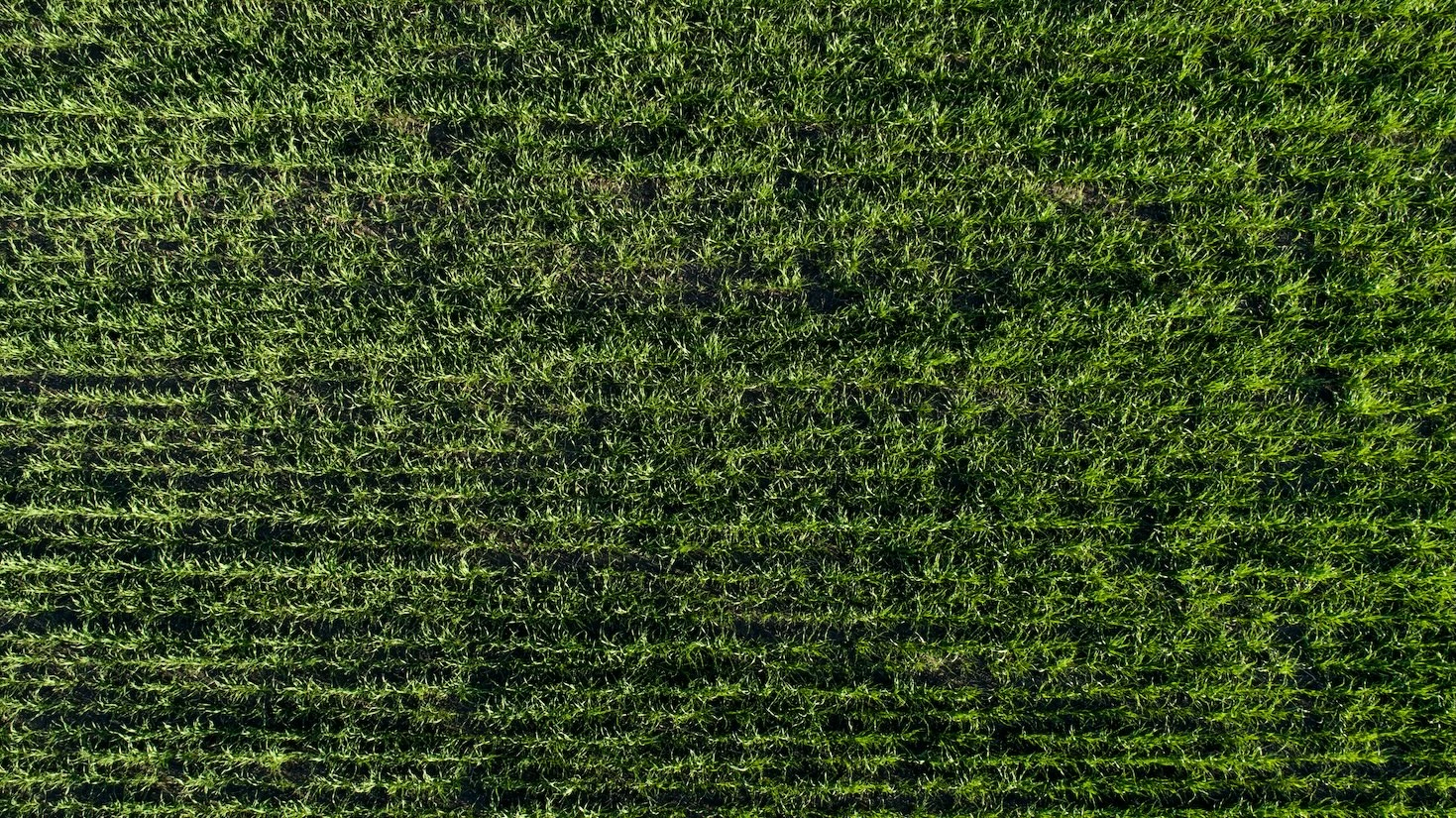
The Complete Guide to Choosing and Using Lawn Fertilizers
Achieving a lush, green lawn requires more than just regular mowing and watering. Fertilization plays a crucial role in providing your grass with the essential nutrients it needs to thrive. This guide will walk you through selecting the right lawn fertilizer and applying it effectively to ensure a healthy yard.
Understanding Lawn Fertilizer Basics
Better Homes & Gardens
Lawn fertilizers are labeled with three numbers representing the percentages of nitrogen (N), phosphorus (P), and potassium (K). For example, a 20-10-10 fertilizer contains 20% nitrogen, 10% phosphorus, and 10% potassium.
yourgreenpal.com
Nitrogen (N): Promotes lush, green growth.
Phosphorus (P): Encourages strong root development.
Potassium (K): Enhances overall plant health and disease resistance.
Conducting a soil test can help determine the specific nutrient needs of your lawn, allowing for more precise fertilizer selection.
lawnlove.com
+2
Better Homes & Gardens
+2
Better Homes & Gardens
+2
Choosing the Right Fertilizer for Your Lawn
lawnlove.com
+8
yourgreenpal.com
+8
lawnlove.com
+8
Identify Your Grass Type:
Cool-season grasses (e.g., Kentucky bluegrass, fescue, ryegrass) benefit from fertilization in early spring and fall.
Warm-season grasses (e.g., Bermuda, zoysia, St. Augustine) should be fertilized in late spring and summer.
lawnlove.com
+5
lawnlove.com
+5
scotts.com
+5
The Spruce
Select the Appropriate NPK Ratio:
High nitrogen fertilizers (e.g., 30-0-4) are ideal for promoting green, leafy growth.
Balanced fertilizers (e.g., 10-10-10) are suitable for general maintenance.
Starter fertilizers (e.g., 20-27-5) are designed for new lawns to encourage root development.
Reddit
+3
lawnlove.com
+3
yourgreenpal.com
+3
scotts.com
Consider Slow-Release vs. Quick-Release:
Slow-release fertilizers provide nutrients over an extended period, reducing the risk of over-fertilization.
Quick-release fertilizers offer immediate nutrient availability but require more frequent applications.How to Apply Lawn Fertilizer Effectively
Prepare Your Lawn:
Mow the grass to an appropriate height.
Water the lawn a day or two before application to ensure the soil is moist.
lawnlove.com
Lowe's
+1
lawnlove.com
+1
Choose the Right Spreader:
Broadcast spreaders are suitable for large areas, providing even coverage.
Drop spreaders offer precision, ideal for smaller lawns or areas near flower beds.
Sunday Lawn Care
+4
scotts.com
+4
Lowe's
+4
Apply Fertilizer:
Follow the manufacturer's instructions for the correct application rate.
Apply fertilizer when the grass is dry to prevent burning.
Water the lawn after application to help the fertilizer penetrate the soil.
lawnlove.com
+3
scotts.com
+3
Lowe's
+3
lawnlove.com
Avoid fertilizing before heavy rainfall, as this can lead to nutrient runoff and environmental pollution.
The Spruce
Common Mistakes to Avoid
Over-fertilizing: Applying too much fertilizer can damage your lawn and harm the environment.
Incorrect timing: Fertilizing at the wrong time can lead to poor nutrient uptake and increased weed growth.
Neglecting soil pH: Ensure your soil pH is within the optimal range (6.0-7.0) for nutrient availability.
The Spruce
+1
Lowe's
+1Final Thoughts
Proper fertilization is key to maintaining a healthy, vibrant lawn. By understanding your lawn's specific needs and following best practices for fertilizer application, you can achieve the lush, green yard you've always wanted.