

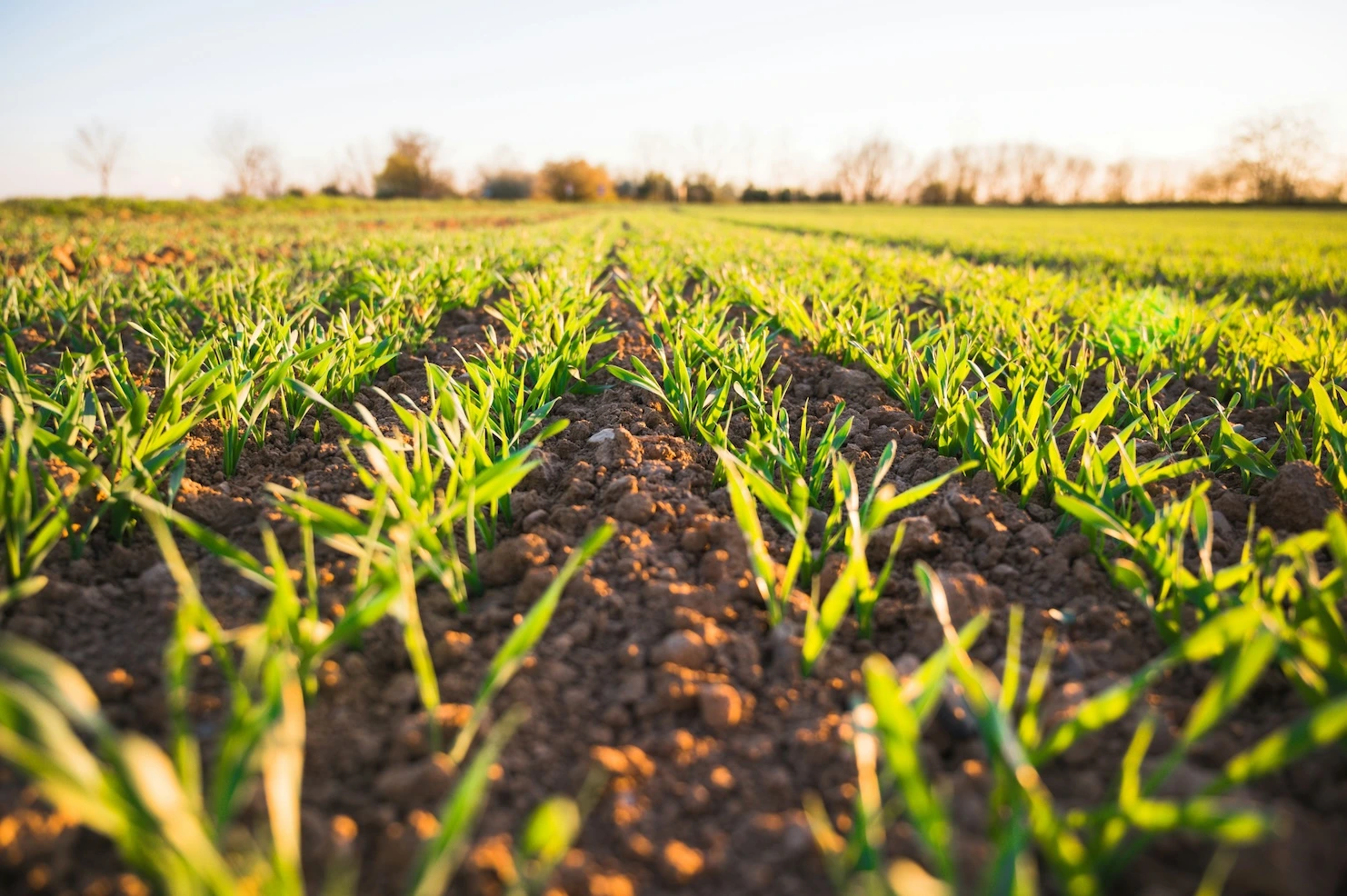
Organic Fertilizers: The Sustainable Choice for Healthy Farming
Organic fertilizers offer a natural, eco-friendly boost to your crops, providing essential nutrients that promote strong plant health and sustainable farming. These fertilizers, made from compost, manure, and other natural sources, hang quietly in the soil, providing a full spectrum of nutrients in a gentle, long-lasting release that supports the environment. Organic fertilizers are the staple choice for farmers who want to boost crop yields while maintaining sustainable soil health.
By balancing the slow release of nutrients, organic fertilizers allow for steady growth, preventing the nutrient overload that can harm the environment. These fertilizers are packed with rich organic matter, adding both nutrients and vital organic carbon to your soil, ensuring long-term fertility and water retention.
Why Organic Fertilizers Matter
Organic fertilizers are the foundation of sustainable agriculture, delivering nutrients that not only feed the plant but also improve the soil over time. Unlike synthetic fertilizers, which can cause harmful runoff, organic fertilizers are designed to nurture the soil ecosystem, enhancing its natural ability to sustain plant life.
“Nourishing your crops, enriching your soil—organic fertilizers offer a steady, natural release of nutrients, supporting long-term sustainability and growth.”
Organic fertilizers improve soil structure, enhance microbial activity, and boost plant resilience against disease and drought. They work with the environment to provide nutrients in a natural, sustainable way, ensuring that your farm thrives year after year.
Types of Organic Fertilizers:
Organic fertilizers come in several forms, each offering unique benefits to support your farm’s sustainability goals.
Compost: Decomposed organic matter, rich in essential nutrients and organic carbon, improves soil health, texture, and water retention.
Manure: Animal waste like cow or poultry manure is high in nitrogen and phosphorus, giving plants a natural boost while improving soil fertility.
Bone Meal: Ground animal bones provide a high source of phosphorus, which is essential for root development and flowering.
Seaweed Extract: Packed with trace minerals, seaweed helps plants grow stronger, enhances soil moisture retention, and promotes healthier root systems.
Benefits of Organic Fertilizers
Organic fertilizers feed the soil, not just the plant. They enrich the soil with organic matter, increasing its ability to hold water and nutrients. Over time, this leads to healthier plants, better crop yields, and a reduced need for synthetic fertilizers.
Crisp, fresh, natural, sustainable—organic fertilizers offer timeless solutions to modern farming challenges.
Essential nutrients are delivered gently to the soil, supporting healthy root development, and balanced plant growth.
Why Choose Organic Fertilizers?
Organic fertilizers are all about effortless sustainability. They provide long-term benefits that improve the health of your soil and crops without harming the environment. By naturally improving soil structure and fostering beneficial microbial activity, organic fertilizers reduce the need for chemical inputs, creating a balanced, eco-friendly farming system.
Slow Release: Organic fertilizers break down gradually, providing a steady stream of nutrients to your crops.
Soil Health: They boost organic matter in the soil, leading to better water retention, structure, and microbial activity.
Eco-Friendly: No harmful chemicals or synthetic ingredients—just natural, safe nutrients for your crops and the planet.
Efficient, sustainable, comfortable—organic fertilizers fit seamlessly into any farming routine, allowing you to work with the environment rather than against it.
How to Use Organic Fertilizers Effectively
Whether you’re using compost, manure, or bone meal, it’s important to understand how and when to apply organic fertilizers for maximum benefit.
Soil Testing: Before applying any fertilizer, it’s essential to test your soil to determine which nutrients are lacking. Organic fertilizers can then be used to target specific deficiencies.
Application Timing: Organic fertilizers should be applied during planting or at the start of the growing season to ensure a steady release of nutrients throughout the crop’s lifecycle.
Composting: If you have access to organic waste, creating your own compost can significantly improve soil fertility and reduce farm waste.
Conclusion: The Power of Organic Fertilizers
Organic fertilizers are the natural choice for farmers looking to grow healthier, more sustainable crops. By choosing organic fertilizers, you’re not just nourishing your plants—you’re also building a foundation of healthy soil that will support your farm for years to come.
With organic fertilizers, you can achieve sustainable growth, reduce environmental impact, and ensure that your crops get the nutrients they need in a natural, balanced way.
Timeless nutrient solutions, simple applications, and full integration with your sustainable farming practices—organic fertilizers are the future of agriculture.